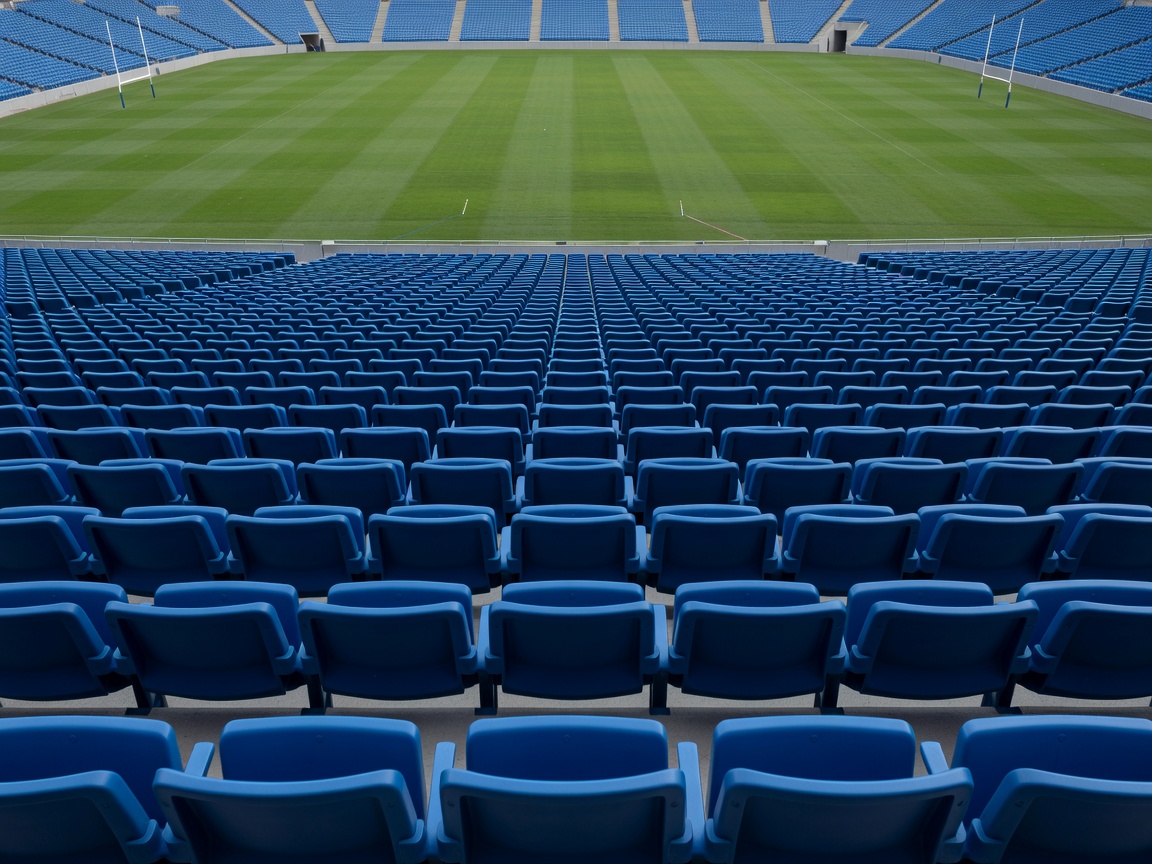
The Structural Weight of Thirty Thousand Supporters
It is easy to think of stadium seating as passive plastic shells bolted to concrete. In reality, modern spectator stands are dynamic structural systems subjected to intense harmonic vibrations, surge loads when goals are scored, relentless weathering, and deliberate physical strain. A spectator stand is evaluated not on how shiny it looks in a promotional photo, but on whether its anchor fixings, barrier weld joints, and evacuation gangways hold firm when ten thousand people move simultaneously.
When safety advisory groups inspect a venue before renewing its annual general safety certificate, they don't look at ticket sales; they look at torque logs, crack progression maps in precast concrete risers, and pull-test certificates on floor bolts. If your maintenance regime cannot produce signed verification documents for those elements, you risk partial stand closures and severe capacity caps.
Core Degradation Mechanisms in Spectator Bowls
Seating systems degrade along three primary vectors: chemical, mechanical, and geotechnical:
- UV Polymer Embrittlement: High-density polyethylene (HDPE) or polypropylene seats exposed to direct sunlight gradually lose their plasticizers. Over five to seven years, vibrant club colors fade chalky white, but worse, the plastic turns brittle. A brittle seat doesn't bend when a 90kg supporter leans against it; it snaps with razor-sharp shard edges.
- Fixing Rust & Concrete Spalling: Water carrying road salts and matchday beverage residues drips down the tread joints, lodging around the steel anchors. Galvanic corrosion expands the steel bolt up to seven times its original volume, blowing out the surrounding concrete cone (spalling) and leaving the seat completely unanchored.
- Counter-Weight & Spring Fatigue: Tip-up seats rely on internal counter-weights or torsion springs to automatically return to the vertical position when empty. If springs fail, seats remain down, severely constricting the minimum egress clearance width mandated for emergency evacuation routes.
Seating Type Maintenance Comparisons
Different areas of a ground require distinct hardware architectures, each with unique upkeep footprints:
| Seating Class | Mechanical Setup | Primary Maintenance Action | Inspection Frequency |
|---|---|---|---|
| Fixed Monobloc Bucket | Solid one-piece shell mounted on floor or riser bracket. | Checking drainage hole clearance (prevents standing pool ice cracking) and bolt tension. | Bi-annual torque audit; visual sweep pre-match. |
| Gravity Tip-Up | Weighted pivot hinge without mechanical coil springs. | Debris clearing in pivot pocket (drink bottle caps, wrappers); pivot pin lubrication. | Quarterly hinge clearance & drop tests. |
| Rail Seating / Safe Standing | Heavy structural steel barrier integrated with slimline lockable tip-up seat. | Barrier weld crack inspection, base plate load testing, locking mechanism lubrication. | Monthly torque checks; pre-season static load test. |
| Hospitality Padded Seating | Marine-grade vinyl/fabric cover over cold-cure polyurethane foam. | Tear patching, seam waterproofing, UV fabric inhibitor re-application. | Bi-weekly sanitizing & moisture check. |
Safe Standing and Barrier Maintenance
With the widespread adoption of licensed safe standing areas in modern football, grounds maintenance has entered a structural domain once reserved for bridge builders. Rail seats subject concrete treads to immense cantilever moments when thousands of supporters lean forward simultaneously during penalty kicks or celebrations.
Maintenance teams must routinely run calibrated torque wrenches over anchor studs embedded in concrete. Chemical resin anchors generally perform better than mechanical drop-in expanding anchors in aged concrete because they don't produce outward bursting stresses within the slab. Furthermore, structural welds connecting the horizontal barrier rail to vertical stanchions must undergo non-destructive magnetic particle or dye-penetrant testing every few seasons to identify micro-fractures before structural failure occurs.
Accessibility and Inclusive Upkeep
Spectator maintenance does not end with standard seating. Wheelchair user platforms, easy-access seating with fold-away armrests, and sensory room infrastructure demand continuous inspection. Key accessibility tasks include:
- Verifying companion seating track bolts and ensuring smooth lateral adjustment without jamming.
- Checking slip-resistance coefficients on wheelchair platform surfaces, particularly under wet November conditions.
- Maintaining unobstructed sightlines: ensuring advertising boards, pitch-side broadcast cameras, and steward positions do not encroach on designated viewing angles.
- Auditing tactile paving on vomitory steps and contrasting edge nosings for visual contrast compliance.
Pre-Match and Post-Match Turnover Protocol
On matchday plus one, cleaning crews move in. High-pressure jet washing of seating bowls must be managed carefully: water blasted indiscriminately at high pressure forces grit into spring pivots and blows out expansion joint sealants between precast terrace units. Using rotary surface cleaners with contained brush rings and pH-neutral detergents preserves concrete sealants while shifting stadium detritus.
Looking for stand safety compliance guidance?
We provide stadium operations managers with sample torque logging templates and guidance on managing safe standing load-testing routines ahead of your next local safety inspection.
Reach Our Operations Desk