Football Pitch Maintenance: Natural, Hybrid & Synthetic Surfaces
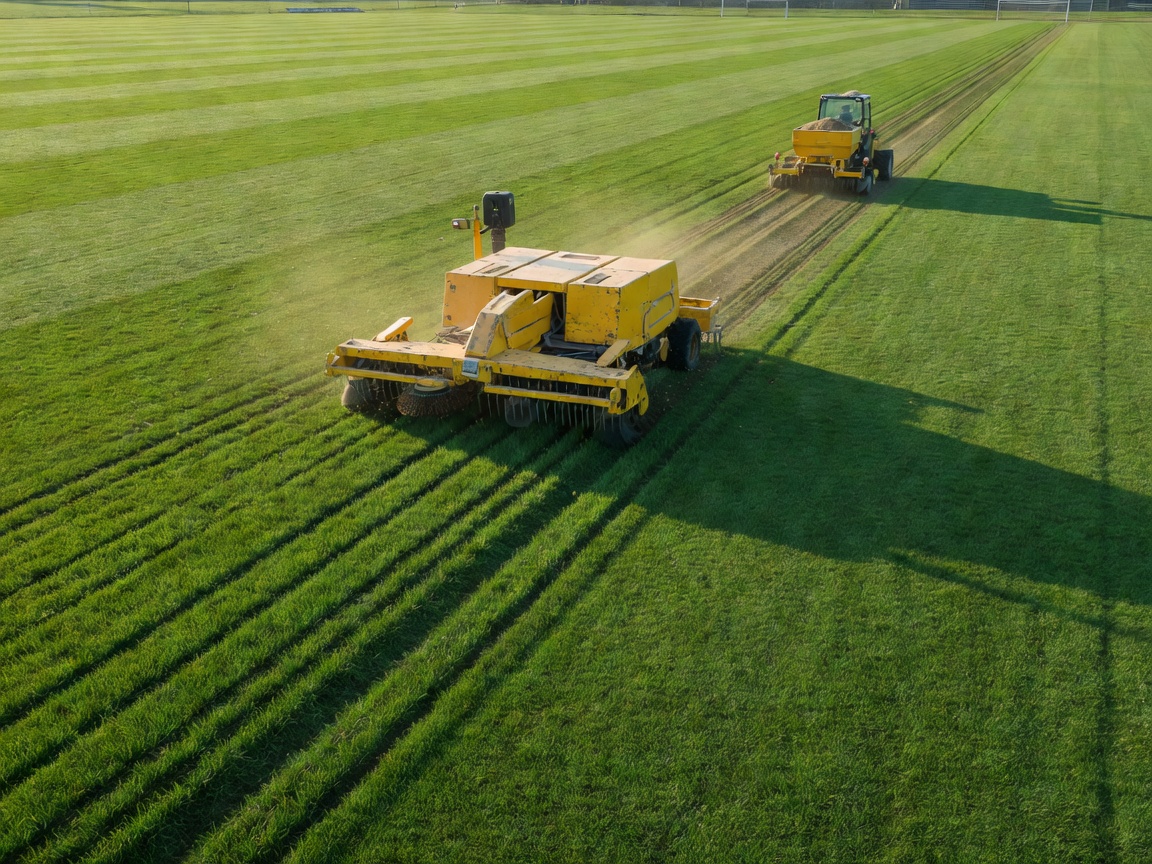
From decompaction tines to LED grow-light timing schedules and rootzone nutrient management, keeping the playing surface playable, safe, and true across fifty fixture dates.
Matchdays are relentless. Between 22 pairs of studs tearing through a sand-carpet rootzone, thirty thousand tipping plastic bucket seats, and two-megawatt lighting rigs, football venues need honest, practical maintenance regimes that don't fall apart mid-winter.
Football grounds can't rely on generic facilities management tickets. Here are the five core operational disciplines broken down into practical maintenance realities.
From decompaction tines to LED grow-light timing schedules and rootzone nutrient management, keeping the playing surface playable, safe, and true across fifty fixture dates.

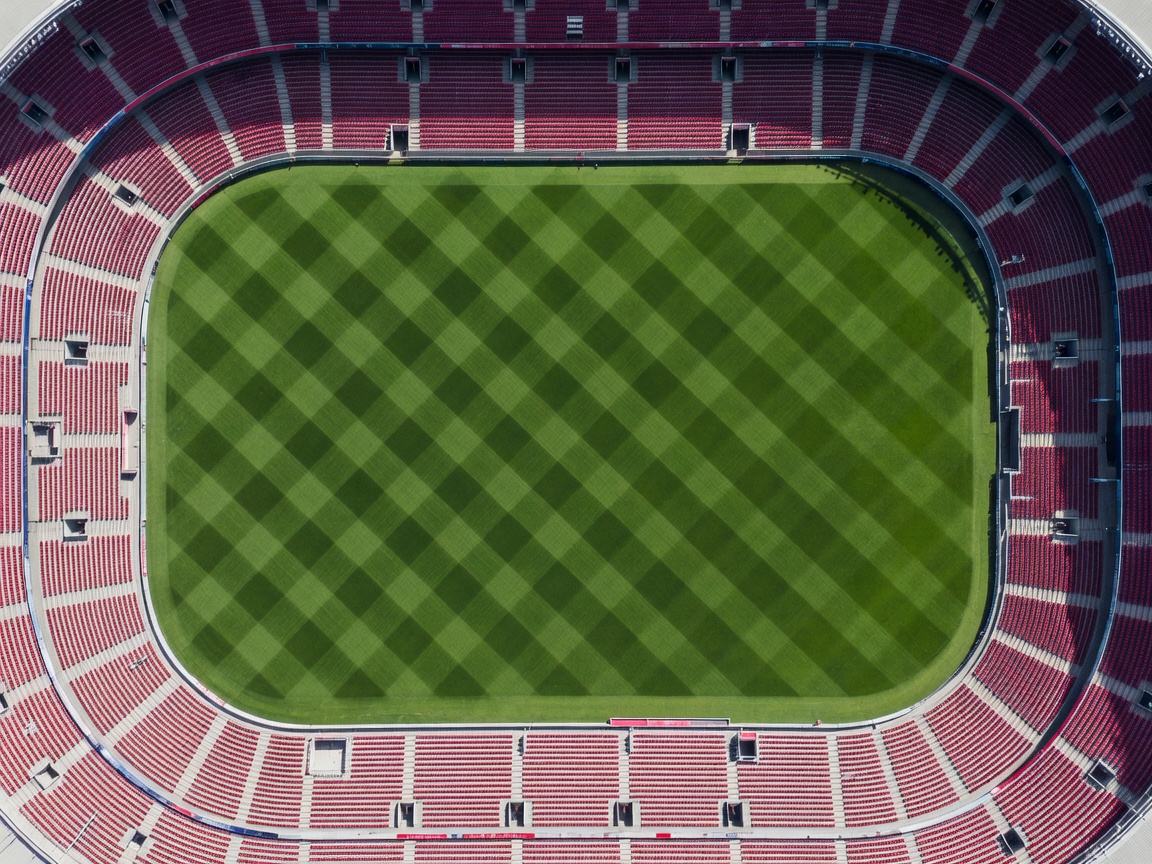
UV degradation in polymer tip-ups, torque audits on galvanized anchor bolts, gangway slip coefficients, and barrier integrity checks ahead of safety advisory sign-offs.

Maintaining vertical and horizontal uniformity, balancing generator cutover syncs, optical cleanliness, thermal driver checks, and mast structural inspections.
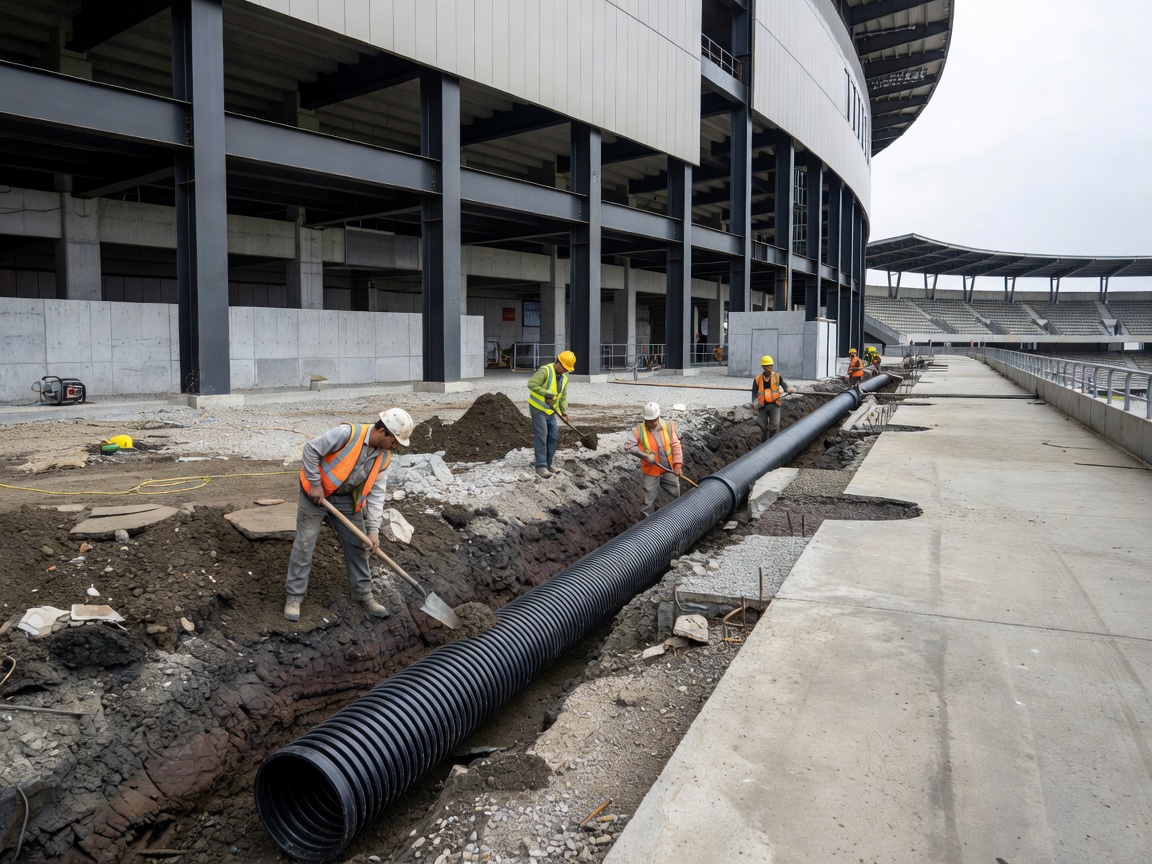
Lateral pipe flushing, silt traps, gravel bands, perimeter ACO trenches, turnstile apron load capacities, and managing torrential cloudbursts before kickoff.
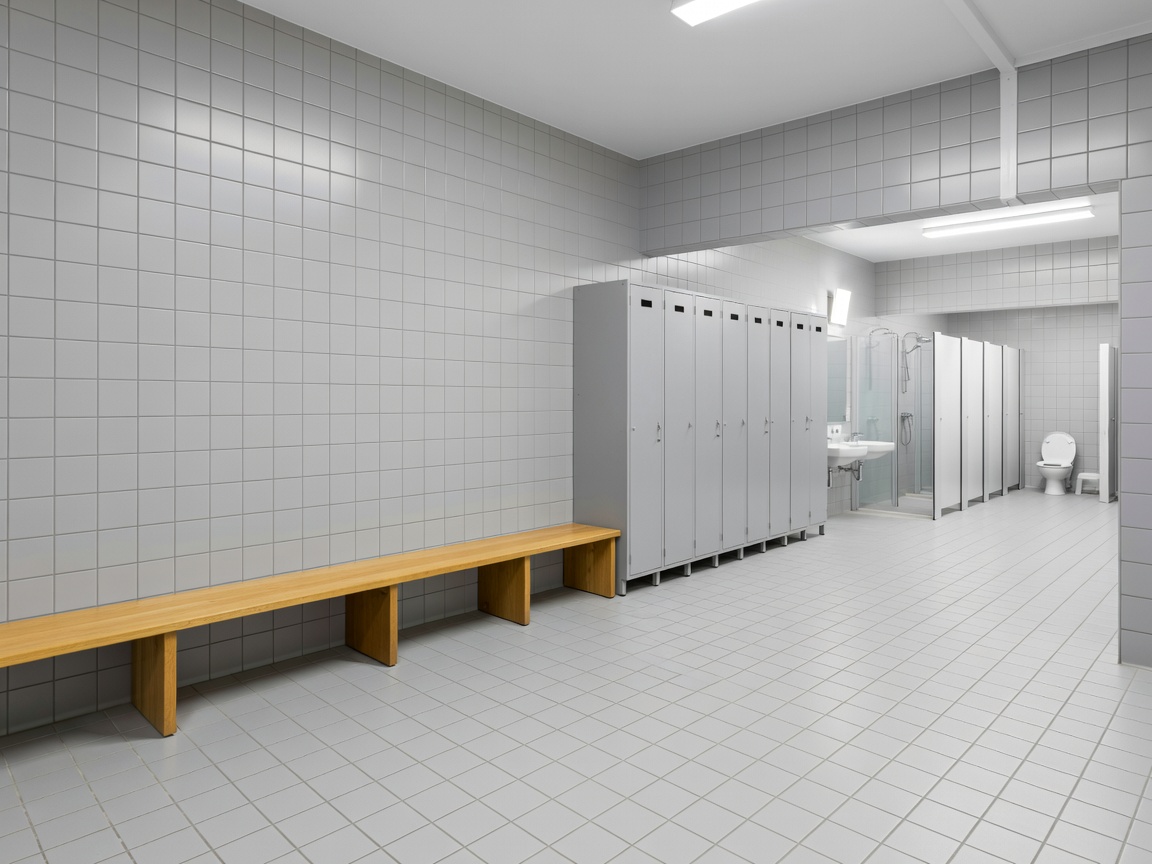
Combating humidity spikes, thermal disinfection against Legionella, high-volume shower pressure balancing, ice bath sanitation, and quick matchday turnarounds.
If an office boiler breaks down on a Tuesday morning, people put on jumpers while someone calls a contractor. When a matchday hydraulic pump jams or a floodlight distribution board trips at 14:45 on Saturday with twenty thousand people through the turnstiles, you don't get a second chance.
Systematic stadium upkeep isn't about pristine paintwork; it's about preventative redundancy. You log the torque checks on seat brackets so an inspector doesn't close your North Stand. You slit-drain the goalmouths because five millimeters of standing water can cause a referee to abandon a game worth hundreds of thousands in broadcast revenue.
Routine logs turn licensing audits from anxious scrambles into simple rubber-stamping exercises.
Gentle weekly de-compacting avoids catastrophic £200,000 summer rootzone reconstruction cycles.
Uniform traction and consistent shear strength across the turf significantly drop non-contact soft tissue injuries.
Parallel backups on drainage pumps, power distribution, and turnstile hydraulics keep gates open.
Every operational team knows the rhythm: T-48 pitch cut and line-marking; T-24 generator parallel load test and water safety flush; T-4 turnstile health checks; Match + 2 pitch divoting and debris extraction.
Looking for practical technical checklists to build your club's annual maintenance plan? Dig into our sub-guides or reach out directly.
Speak With Our Operations Group