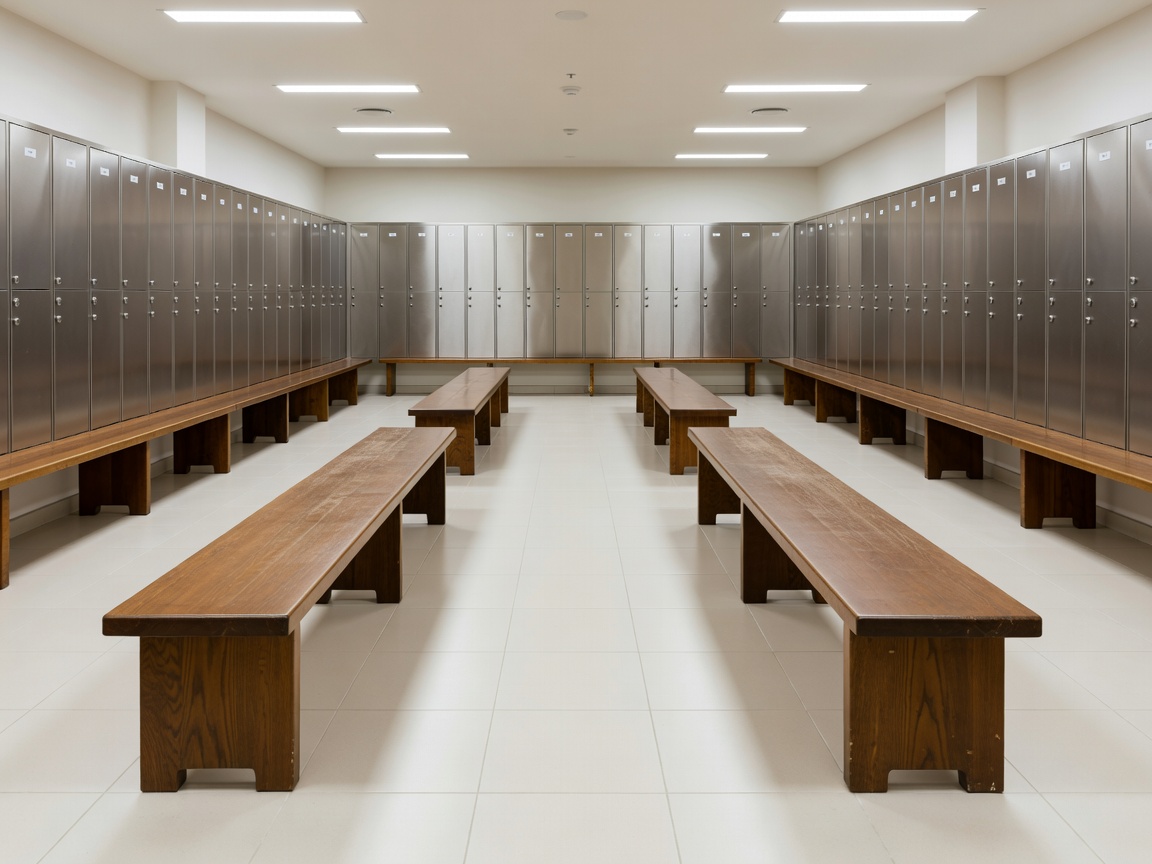
The Unseen Engine of Player Welfare
Changing rooms are high-performance clinical spaces disguised as locker areas. Thirty elite athletes produce tremendous heat, sweat, mud, and humidity over ninety minutes. Immediately after the final whistle, sixteen high-pressure showerheads run simultaneously, hydrotherapy plunge pools are entered, and mud-encrusted boots are scraped onto wash troughs. If the underlying building services cannot handle that sudden, violent spike in moisture and organic load, changing rooms rapidly become breeding grounds for black mold, offensive locker odors, and bacterial pathogens.
For stadium facilities staff, changing room upkeep is about managing two invisible elements: air and water. Without strict preventative maintenance, you run the risk of waterborne illnesses like Legionnaires' disease or debilitating skin infections like MRSA and Athlete's Foot sweeping through playing squads.
Ventilation Dynamics and Humidity Extraction
When twenty players shower consecutively in an enclosed concrete room located beneath a grandstand, relative humidity approaches 100% in minutes. If that humid air lingers, moisture condenses on ceiling tiles, seep into electrical conduits, and creates chronic mold blooms behind lockers.
Effective HVAC design for dressing rooms demands:
- High Air Change Rates (ACH): Dressing rooms require 15 to 20 full air changes per hour during and immediately after match periods, dropping down to 4 to 6 ACH during unoccupied days.
- Heat Recovery Ventilation (HRV): Extracting moist air without dumping costly heat energy into the atmosphere, using counter-flow plate heat exchangers.
- Negative Pressure Isolation: The wet shower and toilet zones must be kept under slight negative air pressure relative to the dry locker area. This prevents hot steam and shower aerosols from migrating out into the tactical briefing rooms or kit laundry areas.
Legionella Management & Hot Water Thermal Regimes
Football stadiums present a unique water safety challenge: they sit nearly vacant for six days, and then demand hundreds of gallons of 40°C hot water over a forty-five-minute post-match window. Stagnant warm water inside dead-legs of pipework is the exact ecological niche where Legionella pneumophila proliferates.
Preventative water hygiene follows strict thermal boundaries:
| System Point | Target Temperature Range | Operational Action | Frequency |
|---|---|---|---|
| Hot Water Storage (Calorifier) | Minimum 60°C throughout tank | Pasteurization temperature kills bacteria inside the main cylinder. | Continuous thermistor monitoring |
| Return Circulation Loops | Minimum 50°C return temperature | Ensures no cold stratification pockets develop in long pipe runs. | Weekly probe temperature log |
| Shower Outlets (TMVs) | Blended to 38°C–41°C at head | Thermostatic mixing valves prevent scalding while supplying safe flow. | Monthly fail-safe shutoff tests |
| Showerhead Descaling | Submerged in biocide / acid | Clears mineral scale where biofilm clings and bacteria hide. | Quarterly strip, clean & sanitize |
Hydrotherapy and Ice Bath Care
Modern sports facilities include cold plunge pools (10°C) and hot spa baths (36°C–38°C) for muscular recovery. These compact communal bodies of water represent significant biological filtration loads. When players with open cuts, turf burns, and sweat enter a plunge pool, disinfectant chemicals get consumed rapidly.
Plunge maintenance requires automated dosing systems that monitor free chlorine (or bromine) and pH levels constantly. Sand or glass filtration media must be backwashed weekly to prevent filter chanelling. Furthermore, hydrotherapy tanks should be completely dumped, pressure washed with sanitizing biocide, and refilled with fresh municipal water on regular schedules rather than maintained perpetually on basic pool filters.
Deep Cleaning, Floor Slip Ratings & Turnaround Speed
Turnaround between home fixtures, visiting academy fixtures, and commercial stadium tours requires disciplined cleaning chemistry. Using bleach everywhere is a common mistake: strong chlorinated bleaches attack epoxy grout lines, erode anti-slip floor aggregate, and destroy silicone sealants around perimeter plinths, allowing moisture to rot subfloors.
Best practice involves:
- Alkaline degreasers: To break down body fats, skin oils, and sports drinks residues on tiled floors.
- Acidic descalers: Applied bi-weekly to dissolve mineral hard-water staining on stainless steel shower fixtures and tiled stall walls.
- Slip resistance audits (Pendulum Test): Wet barefoot areas must maintain a Pendulum Test Value (PTV) of 36 or higher. Worn floor tiles lose their micro-texture and must be treated with invisible chemical anti-slip etching solutions to prevent catastrophic slip injuries to multimillion-pound playing assets.
Reviewing your changing room hygiene protocols?
We provide operational checklists covering water risk audits, TMV recalibration, and ventilation balancing for sports changing facilities.
Connect With Our Facilities Specialists